
Blog
Postpartum Personal Trainer in Amsterdam
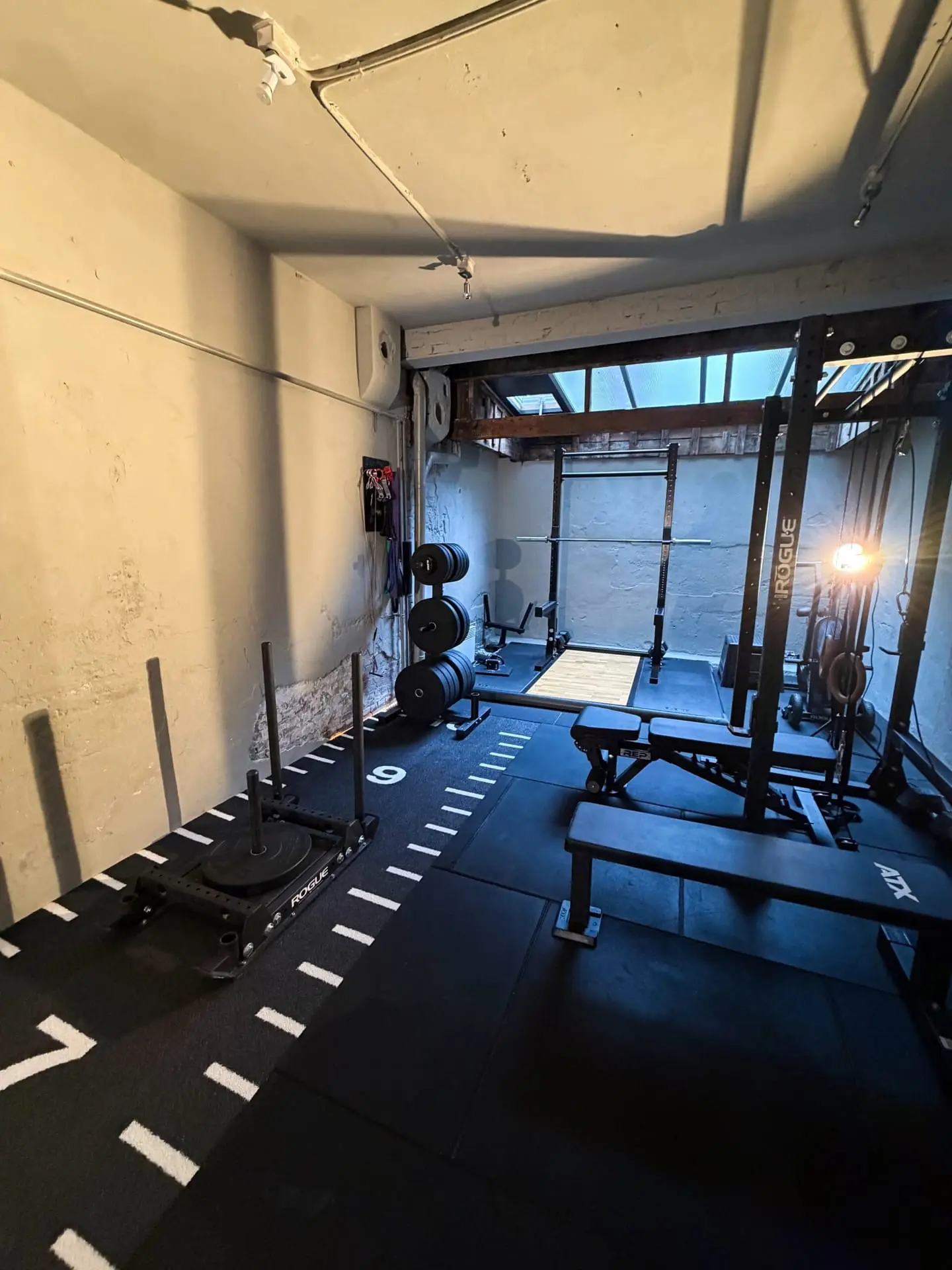
Getting back to training after birth is rarely straightforward. Your body has been through nine months of change, then a delivery, then often months of broken sleep, altered muscle tone, and a core/pelvic floor that don’t do what they used to without thinking. In a big-box gym you end up in the same room as 20-year-olds on bench presses — fine in principle, but the context doesn’t help.
SculptClub in the Jordaan offers a quieter alternative: a private studio with full focus, and female trainers experienced with postpartum clients. This guide covers what to watch for, when you can start, and how a personal trainer makes the process safer and faster.
When is it safe to start?
The standard first benchmark is the 6-week check with your GP or midwife after an uncomplicated birth (longer after a C-section or complications). Green light there means you can begin gentle training — not that you’re back to your pre-pregnancy level. Building back progressively usually takes 3 to 9 months, depending on the delivery, how recovery is going, and whether you’re breastfeeding.
More important than a date: how does your core feel, is there diastasis recti (separation of the rectus abdominis), how stable is your pelvic floor, and where is there pain or instability? A proper postpartum intake starts with those questions — not "how much can you lift?"
What a postpartum-aware trainer watches for
- Diastasis recti: Avoid exercises that push the abdominal wall forward (classic crunches, full planks) until the gap closes. Instead: breath-led core activation, dead bugs, mindful side planks.
- Pelvic floor: Leaking when you jump or cough isn’t "just part of motherhood" — it signals the pelvic floor needs attention. Often done alongside a pelvic-floor physiotherapist.
- Joints: Relaxin (the pregnancy hormone) stays in your system for weeks to months, especially if you’re breastfeeding. Joints are slightly looser and less stable — technique matters more.
- Energy and sleep: A programme that assumes 8 hours’ sleep doesn’t work. Gradual intensity, shorter sessions, lots of breathing room.
- Mental side: Returning to training is often emotional too. Small, achievable goals build confidence faster than ambitious plans.
Why a female trainer tips the balance
Not because male trainers can’t learn this — but because conversations about pelvic floor, C-section recovery, sexuality and breastfeeding are easier and more precise with someone who can speak from experience. The female-trainer guide explains why many women have this preference; postpartum is the most pronounced version of it.
SculptClub has three female trainers on the roster:
- Gezina — specialises in women’s training, strength and cycle-aware programming. First pick for postpartum clients.
- Eva — certified dietitian and personal trainer. Combine nutrition recovery (including breastfeeding) with strength training.
- Andrea — strength, posture and technique. Gradual ramp, detailed cueing.
What a first postpartum programme looks like
A typical ramp at SculptClub, adapted to your starting point:
- Weeks 1-4 post green-light: Breathwork, core activation, walking, gentle compound patterns without load (box squat, hip hinge).
- Weeks 4-8: Light resistance, dumbbells, mobility. Volume low, technique first. Breastfeeding mothers: schedule sessions after a feed for comfort.
- Months 3-6: Progressive overload. Reintroducing heavier compound lifts (squat, deadlift, pull-down) as core and pelvic floor stabilise.
- Month 6+: Performance training if you want it. Strength goals, conditioning, body composition.
No two postpartum experiences are identical. Pace is dictated by what your body reports, not by social media.
Practical — training with a baby
- Open 06:00-22:00 daily: Fit a session before partner leaves for work, during afternoon nap, or evening when someone’s home.
- Cancellation is always free: No 24-hour rule. Rough night? You cancel and we rebook. No hassle.
- Private studio: No changing-room logistics. WhatsApp door code, trainer waiting.
- No contract: Buy a package when you’re ready. Pause for months if you need to.
Working with a pelvic-floor physiotherapist
For many postpartum clients, a pelvic-floor physio is the first stop. If you’re already being treated, our trainers coordinate with your therapist so the programmes reinforce rather than conflict. We don’t currently have a physiotherapist on staff — for the medical side we’re happy to refer you out, and our strength training picks up where their treatment ends.
How to start
- Book a free intro with Gezina (or another female trainer). 45-60 minutes, no cost.
- During the intro you discuss the birth, your recovery, your goals and any limitations. Open and without judgement.
- Trainer builds a first plan together with you. First session is booked when you’re ready.
Read more
Ready to start back safely?
Book a free intro with a female trainer. Honest, at your pace.
Book with Gezina