
Blog
Prenatal Personal Trainer in Amsterdam
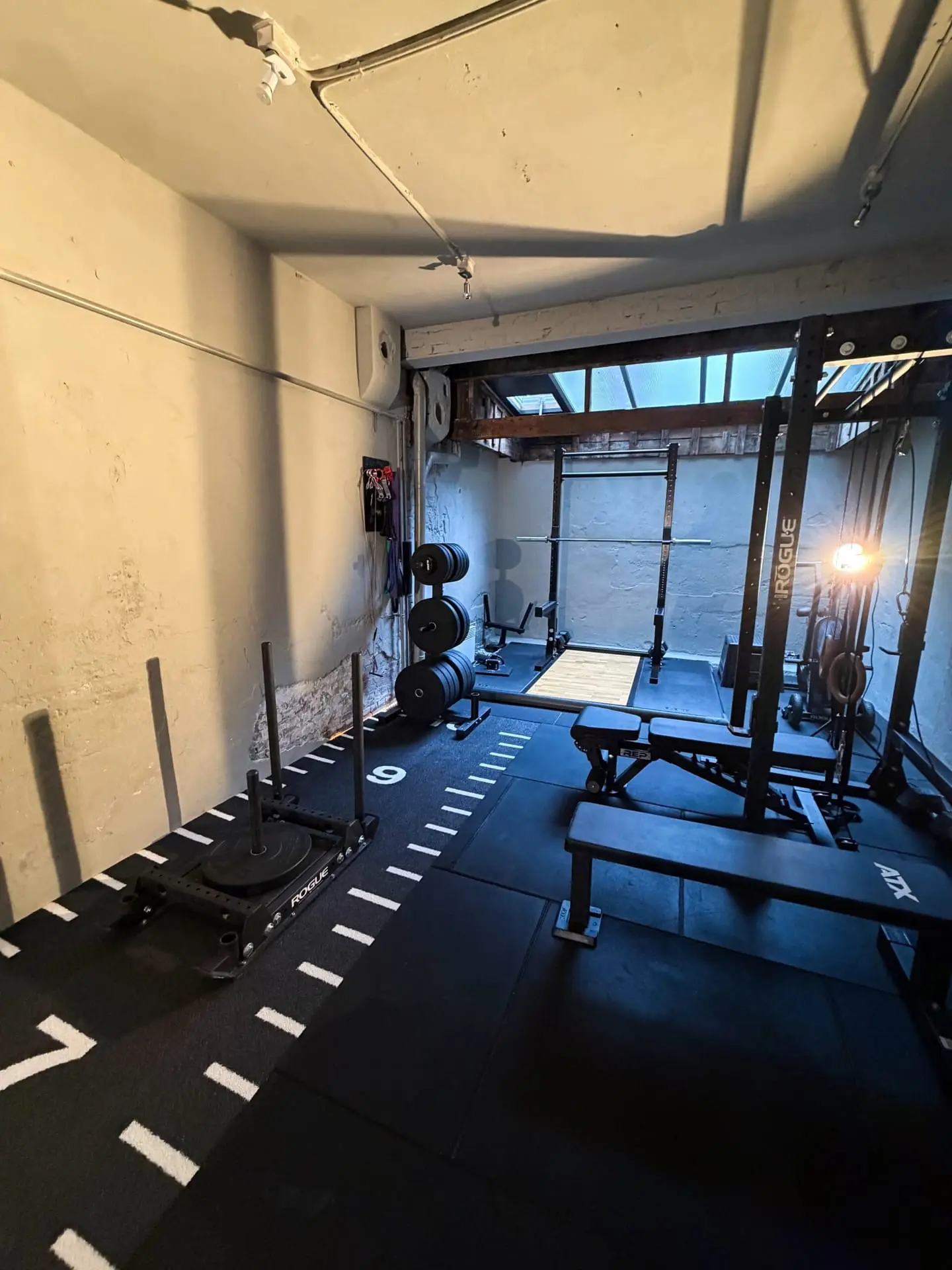
Staying active through pregnancy is, for most uncomplicated pregnancies, a good idea — provided intensity and exercise selection move with your body. The old advice of "rest is best" has been superseded: current research and obstetric guidelines support moderate strength training and mobility work as protective against back pain, gestational diabetes, and they tend to make postpartum recovery easier.
That said: a big-box gym is rarely a comfortable place to train while pregnant. SculptClub in the Jordaan is a quiet alternative — a private studio, no crowds, and female trainers experienced with prenatal clients. This guide covers what’s safe, what changes trimester by trimester, and how to start.
First: green light from your provider
Before you start or continue structured training, a short check-in with your midwife or OB/GYN is appropriate. For a healthy pregnancy this is usually a formality. If you have a history of miscarriage, a twin pregnancy, certain blood-pressure or placenta issues, there may be restrictions — and those you always follow.
Red flags that stop training and require contact with your provider: vaginal bleeding, unusual pain, dizziness, severe shortness of breath, contractions, fluid loss. These are not "just part of training" — call first, train only after green light.
What changes trimester by trimester
First trimester (weeks 1-13)
Little changes externally, but a lot internally. Nausea and fatigue can make training uncomfortable. If you already have a routine: mostly continue at similar intensity if your energy allows. What we adjust: no new personal records, more attention to hydration, less high-impact jumping or impact work.
Second trimester (weeks 14-27)
Often the most comfortable window. Nausea eases, energy returns, the bump grows. From around week 16 we avoid supine (on-back) exercises (vena cava compression) and adapt to side-lying or upright variations. Strength and conditioning remain possible — in a controlled form with focus on technique and breath.
Third trimester (weeks 28-birth)
Relaxin loosens joints, balance shifts, fatigue often returns. We reduce intensity and focus on posture, pelvic floor, and birth preparation (hip mobility, leg strength). Many clients continue with short sessions close to the due date — but your body sets the pace.
What a prenatal-aware trainer does
- Adapts compound lifts: Squats, deadlifts and pulling variations usually stay safe with moderate load; we avoid the Valsalva manoeuvre (breath-holding).
- Core emphasis: No classic crunches or full planks in the back half — instead, breath-led core activation and dead bugs.
- Pelvic-floor work: Both relaxation and activation. Overactive pelvic floor can make labour harder; underactive leads to postpartum problems.
- Cardio within comfort: Walking, light bike, swimming — heart rate isn’t a hard line any more (old 140 rule); we go by "can I still talk?" (Borg 6-7).
- Hip mobility: Preparing for birth by maintaining hip and lower-back range.
- Balance and fall prevention: Centre of gravity shifts; single-leg work only with support.
Why a female trainer tips the balance
Same reasons as postpartum, only more acute. Conversations about nausea, pelvic floor, sexuality during pregnancy and breastfeeding prep are easier and more precise with someone who has been through it or works daily with pregnant clients. See also the female-trainer guide.
SculptClub has three female trainers:
- Gezina — women’s training, strength, performance. First pick for prenatal clients.
- Eva — certified dietitian and PT. Nutrition adjustments during pregnancy plus strength work.
- Andrea — strength, posture, technique. Detailed cueing, controlled pace.
Practical — training while pregnant
- Open 06:00-22:00 daily: Schedule around your energy, not around opening hours.
- Private studio: No mirror wall, no bench-press audience. Your pace, your space.
- Cancellation always free: Off day? You cancel and we rebook. No hassle.
- No contract: Buy a 4- or 8-session package. Pause around the birth with no notice period.
- Works with your pelvic-floor physio: Ask your physio to share notes with your trainer — much faster than parallel programmes.
How to start
- Check with your midwife or OB/GYN that structured exercise suits your pregnancy.
- Book a free intro with Gezina (or another female trainer). 45-60 minutes, no cost.
- During the intro you discuss your trimester, any restrictions and goals. The trainer builds a plan together with you.
Read more
Train safely through your pregnancy
Book a free intro with a female trainer. Your pace, your trimester.
Book with Gezina